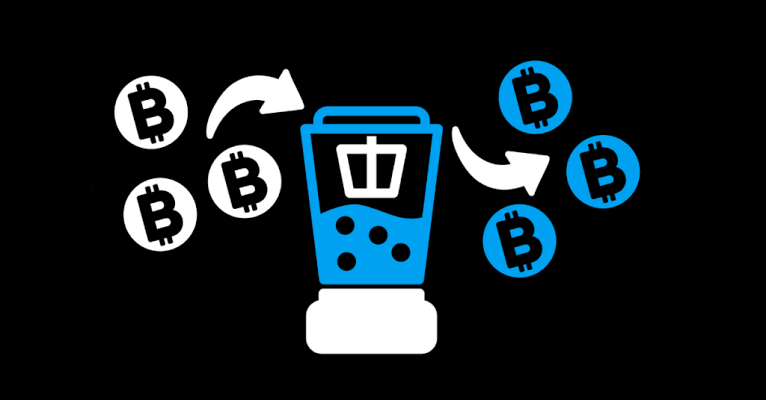
How Exchanges Track a Cryptocurrency Mixer
Centralized exchanges utilize advanced blockchain analytics to monitor the flow of incoming digital assets. This leads many users to wonder if these platforms can easily detect a cryptocurrency mixer trail.
The answer is yes; exchanges can often identify when funds have interacted with a privacy protocol. However, their ability to link those funds back to your specific identity is a completely different challenge.
The Mechanics of Exchange Surveillance
Exchanges use automated scoring systems to evaluate the risk profile of every incoming deposit. If a transaction has a direct on-chain link to a known privacy tool, its internal risk score increases.
Risk Scoring and Tainted Coins
Analytic tools measure the distance in transaction “hops” between your deposit and the privacy protocol. If the distance is too close, the exchange flags the assets as potentially tainted.
The Impact of Detection on Crypto Users
If an exchange detects that your deposit originated from a privacy tool, they may trigger compliance protocols that restrict your account activity.
Account Restrictions and Source of Funds Demands
Exchanges might temporarily lock your withdrawals and demand that you provide documentation proving the original source of your wealth before unlocking your account.
The Importance of Separation Tactics
To prevent these automated flags, you must create distance between the privacy tool and the exchange. By breaking the on-chain link between your old and new Bitcoin addresses with a CoinJoin-powered Bitcoin mixer, you establish a critical break in the data path.
Defensive Strategies for Privacy-Conscious Traders
You do not have to give up your financial privacy just to use an exchange. Implementing smart wallet routing strategies protects your account from automated flags.
Utilizing Layer-2 Protocols and Alternative Networks
Routing your mixed coins through Layer-2 networks or converting them temporarily into privacy-centric assets helps erase the direct visual trail that exchange analytics engines look for.
Choosing a Service That Defeats Analysis
To minimize exchange detection risks, you must use an advanced privacy platform designed to confuse forensic software. Look for systems featuring no KYC, no logs, and same-day support.
- Randomized Transaction Layouts: Platforms that vary their output structures make it difficult for exchange software to confirm a mix occurred.
- Decentralized Liquidity Pools: Shuffling within large, decentralized pools blends your assets naturally with thousands of other legitimate transactions.
- Time-Delayed Distribution: Spacing out your withdrawals breaks the temporal analysis that exchanges use to flag correlated deposits.
Step-by-Step Deposit Management
- Execute the Shuffling Process: Clean your coins thoroughly using a secure, decentralized protocol.
- Hold Assets Separately: Let the fresh coins rest in an independent personal wallet for a short period.
- Transact via P2P Platforms: Consider using peer-to-peer exchanges that do not enforce invasive tracking policies.
Conclusion
While centralized exchanges possess the tools to detect privacy protocols, they cannot easily pierce a well-executed decentralized shuffle. By understanding how analytics software operates and using strategic routing, you can maintain your financial privacy while navigating the broader ecosystem safely.
Leave a Reply